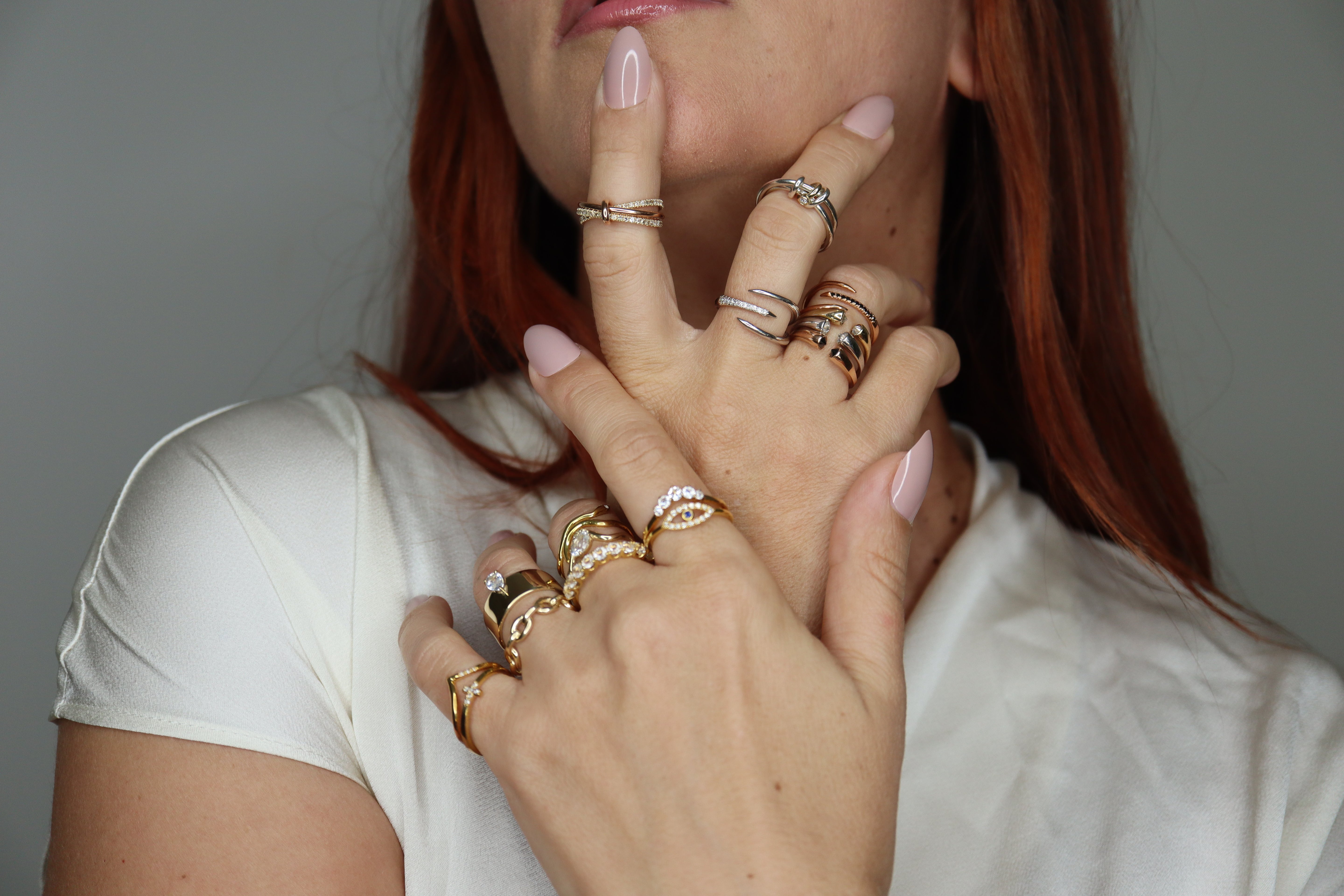





Sapphire Rings: Beyond Blue - Colors, Meaning, and Buying Tips

Sapphire rings offer far more than blue - sapphire is corundum (the same mineral as ruby) that occurs in every color except red, including pink, yellow, orange, green, purple, and the coveted padparadscha, all sharing an exceptional 9-Mohs hardness that makes them the hardest colored gemstones available and among the most practical for rings worn every day for decades.
Blue sapphire has held a place at the pinnacle of fine jewelry since antiquity. It has adorned the crowns of European monarchies, served as the engagement ring of British royalty, and remained the most popular colored gemstone for engagement rings worldwide. Its enduring appeal rests on a simple combination: a deeply saturated blue that flatters universally, a hardness that ensures the stone looks the same after fifty years of daily wear as it did on day one, and a symbolic weight that connects the wearer to centuries of gemstone tradition.
How Is Blue Sapphire Color Evaluated?
The most valued blue sapphires show a vivid, medium to medium-dark blue - saturated enough to read as unmistakably blue from across a room, but not so dark that the stone appears blackish in lower light. The finest examples are described as "cornflower blue" or "royal blue," terms that reference specific color profiles:
Cornflower blue describes a medium-toned, slightly violet-blue with a soft, velvety quality - sometimes associated with Kashmir sapphires, which have not been commercially mined since the early 1900s. The term now describes a color grade rather than an origin.
Royal blue describes a deeper, more saturated blue with strong vivid character. This is the blue most people picture when they hear "sapphire" - rich, deep, and intensely colored.
Below these top grades, sapphires range from inky near-black (over-dark, loses life in indoor lighting) through medium blue (the sweet spot for most jewelry) to pale or grayish blue (under-saturated, can look watery). The ideal is a stone that maintains its vivid blue across different lighting conditions - from bright daylight to evening candlelight.
Origin affects color character. Sri Lankan sapphires tend toward lighter, brighter blues. Thai and Australian stones often run darker. Burmese sapphires can show an exceptionally vivid blue. Madagascar, which has become a significant source, produces a wide range. For most buyers, the specific color matters more than the origin - two stones from different countries with similar color will look identical in a ring.
How Hard Is Sapphire and How Does It Perform in Kinetic Rings?
Sapphire's 9-Mohs hardness - shared with ruby - provides the highest practical durability of any colored gemstone. The only substance that scratches sapphire is diamond. For daily-wear rings, this means the stone is essentially maintenance-free: it will not scratch, dull, or lose its polish under any normal condition for the rest of your life and beyond.
The Trielle demonstrates what this hardness enables in kinetic design: sapphire pavé set across articulated rose gold links that move continuously on the hand. The stones must resist not just static wear but the constant micro-friction of components in motion. At 9 Mohs, the sapphires will outlast the gold mechanism itself - the stones are functionally permanent within a design built for a lifetime of daily kinetic movement.
This durability is why sapphire is the most recommended colored gemstone for engagement rings. A sapphire engagement ring can be worn every day for fifty years without any degradation to the stone. No special care, no periodic re-polishing, no cautious removal for certain activities - the sapphire simply endures.
Which Gold Color Pairs Best With Sapphire?
Rose gold and sapphire - the Trielle's pairing - creates a warm-cool contrast that feels contemporary and distinctive. The pink-gold tone of rose gold offsets the blue sapphire, and as the kinetic links move, the alternation between warm metal and cool stone produces a visual rhythm unique to this combination.

White gold and sapphire is the classic engagement ring pairing, maximizing the stone's blue intensity against a neutral metal. The cool tones of both materials create a unified, icy palette that emphasizes the sapphire's color purity.
Yellow gold and sapphire is the traditional fine jewelry pairing - warm gold and cool blue create the complementary contrast that has anchored sapphire jewelry for centuries. This combination reads as timeless and regal.
All three gold colors work beautifully with sapphire. The choice is personal - read the complete gold color guide for help deciding which metal tone suits your style and skin tone.
What Are Fancy Color Sapphires?
Sapphires in colors other than blue - called "fancy sapphires" - offer the same 9-Mohs hardness in a spectrum of unexpected colors:
Pink sapphire ranges from baby pink to vivid hot pink. Fine pink sapphires can rival rubies in intensity (the line between deep pink sapphire and light ruby is subjectively drawn). Pink sapphire offers a saturated, cooler pink than morganite and superior hardness - an excellent alternative for someone who loves pink but needs maximum daily-wear durability.
Padparadscha sapphire shows a unique pink-orange that no other gemstone replicates. Named after the Sinhalese word for lotus blossom, padparadscha is the rarest and most valuable fancy sapphire variety. Its delicate sunset color makes it one of the most sought-after gemstones among collectors.
Yellow sapphire ranges from pale lemon to vivid canary. It offers a bright, cheerful alternative to yellow diamond at a fraction of the cost, with identical daily-wear durability.

Teal and parti sapphires show blue-green combinations that shift with lighting and angle. These have surged in popularity for their unique, nature-inspired colors and the way they create different visual experiences as the stone moves - a characteristic that pairs naturally with kinetic ring design.
All fancy sapphires share the 9-Mohs hardness of blue sapphire, making every color equally suitable for daily-wear rings.
What Sapphire Treatments Should You Know About?
As with ruby, most sapphires are heat-treated to optimize color and clarity. This is standard practice - permanent, stable, and universally accepted. Heating can intensify blue color, reduce unwanted secondary hues, and improve overall appearance. The treatment is disclosed as "heated" and does not diminish the stone's value in the eyes of the trade.
More significant treatments include beryllium diffusion (which can add or change color), lead-glass filling (which improves apparent clarity), and surface coating. These treatments are less stable and substantially reduce value. As with rubies, a disclosure of "heated" is normal; disclosures of "diffused," "filled," or "coated" indicate stones that require more caution.
Unheated sapphires of fine quality are rare and valuable. A sapphire with excellent natural color that has never been heated commands a significant premium - sometimes 50-100% or more over comparable heated stones.
What Clarity Should You Expect in a Sapphire?
Like ruby, sapphire is a Type II gemstone - some inclusions are expected. The standard is "eye-clean" or near eye-clean: inclusions visible under magnification but not to the naked eye. Common sapphire inclusions include silk (rutile needles), crystal inclusions, fingerprints, and color zoning.
Fine silk in small quantities can actually improve a sapphire's appearance by softening the light return and creating a velvety quality - the phenomenon that makes Kashmir sapphires so legendary. Heavy silk, however, makes the stone appear cloudy and milky.
For ring purposes, the practical standard is simple: the stone should appear clean and vivid to your naked eye. Inclusions visible only under magnification do not affect the wearing experience or the ring's beauty.
Is Sapphire a Good Engagement Ring Stone?
Sapphire is the most popular colored gemstone for engagement rings, and for good reason. Its 9-Mohs hardness ensures it survives decades of daily wear without scratching. Its color is permanent and stable. Its symbolic associations - wisdom, loyalty, nobility - align with the commitment an engagement ring represents.
The most famous sapphire engagement ring belonged to Princess Diana and now belongs to Catherine, Princess of Wales - a 12-carat oval blue Ceylon sapphire surrounded by diamonds. That ring introduced millions of people to sapphire as an engagement stone and helped establish the modern trend of colored gemstone engagement rings.
For a sapphire engagement ring that adds kinetic movement to this tradition, the Trielle sets sapphire pavé on moving rose gold links - the stone's 9-Mohs hardness making it uniquely qualified for the demands of a kinetic setting worn every day for a lifetime. Explore the full colored gemstone engagement rings guide for comparisons across all stone types.
How to Care for a Sapphire Ring
Sapphire requires virtually no special care. Clean with warm soapy water and a soft brush. Ultrasonic cleaning is generally safe for sapphires without significant fractures. The stone is stable against all common household chemicals, sunlight, and temperature changes.
The only meaningful care note: store sapphire separately from diamonds, which can scratch even sapphire's 9-Mohs surface under pressure. Otherwise, sapphire is functionally indestructible in daily wear - the most low-maintenance gemstone you can own.
Frequently Asked Questions About Sapphire Rings
Is blue sapphire the most durable colored gemstone?
Yes, tied with ruby. Both are corundum at 9 on the Mohs scale - the hardest colored gemstone available. Only diamond (10) is harder.
Can I wear sapphire every day without removing it?
Yes. Sapphire is the most practical gemstone for continuous daily wear. It will not scratch from any normal activity and requires no special handling. This is why it is the most popular colored gemstone for engagement rings.
Do sapphires come in colors other than blue?
Sapphire occurs in every color except red (which is classified as ruby). Pink, yellow, padparadscha (pink-orange), teal, green, and purple sapphires all share the same 9-Mohs hardness and daily-wear durability.
How does sapphire compare to aquamarine for a blue ring?
Sapphire offers a deeper, more saturated blue and superior hardness (9 vs. 7.5-8 Mohs). Aquamarine offers a lighter, more ethereal blue at lower price points and in larger sizes. Both are excellent for daily wear. Read the aquamarine guide for a detailed comparison.